A career in the dental field offers a pathway to professional stability, continuous learning, and the meaningful opportunity to improve people’s health and quality of life. Unlike many other professions, dentistry is an evergreen industry, constantly requiring skilled professionals in roles ranging from clinical care to laboratory technology and administration. The variety of specializations and environments ensures that nearly any professional background or interest can find a niche. As the population ages and public awareness of oral hygiene grows, the demand for highly trained dental professionals is projected to rise steadily, making it a robust and rewarding choice for those considering their long-term professional future.
The educational commitment and necessary clinical aptitude for entering this sector are high, but the resulting expertise translates into a respected and vital position within the healthcare system. The profession is fundamentally about preventative care and restorative medicine, offering a tangible impact on an individual’s well-being by alleviating pain, restoring function, and enhancing aesthetics. Exploring the numerous avenues available, from working directly with patients to supporting clinical care behind the scenes, is the first step toward building a successful and fulfilling career dedicated to public oral health.
Exploring Opportunities in General Dentistry
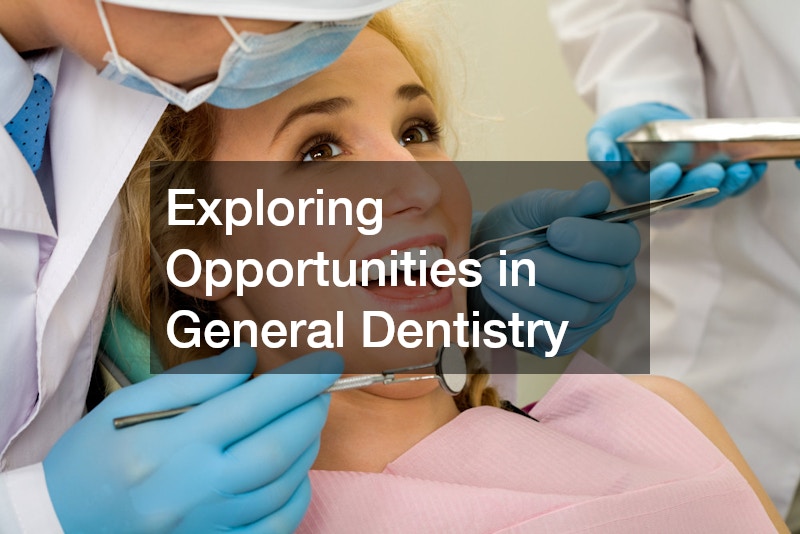
A career as a general dentist is arguably the most traditional and comprehensive route within the dental profession, providing a broad scope of practice that addresses the majority of a patient’s routine and basic oral health needs. This role serves as the primary healthcare provider for the mouth, responsible for routine checkups, cleanings, x-rays, and the initial diagnosis of oral diseases and conditions. Professionals in this field develop long-term relationships with their patients, acting as the foundation for preventative care and being the first to identify issues like cavities, gum disease, and oral cancer, thus playing a critical role in maintaining overall systemic health.
The responsibilities of the general dentist extend beyond basic maintenance to encompass a variety of common restorative and cosmetic procedures, allowing for immense practical application of clinical skills. They routinely perform fillings, root canals, simple extractions, and the fitting of basic prosthetics, and they coordinate care by referring patients to specialists when complex issues arise. Being a proficient general dentist requires not only excellent clinical skill and dexterity but also strong communication abilities to educate patients effectively on hygiene practices and treatment options, cementing this position as the cornerstone of community oral healthcare.
Working within a Private Practice or Dentist’s Office
The atmosphere of a private practice or dentists offices provides a unique, patient-focused environment that is distinctly different from the high-volume setting of a hospital or large clinic. For those in supporting roles, such as dental hygienists, assistants, or administrative staff, this setting offers a consistent and close-knit team dynamic, allowing professionals to develop deep familiarity with patient files, preferences, and long-term care plans. Working in one of these settings means being part of a small, entrepreneurial business where efficiency and patient satisfaction are paramount, requiring a strong collaborative spirit and the ability to manage diverse tasks effectively.
In a smaller setting, clinical staff often perform a broader range of tasks compared to highly specialized environments, providing valuable exposure to every facet of dental operation. For a dental assistant, this might involve everything from preparing instruments and sterilizing rooms to assisting during complex procedures and managing patient records, making the day-to-day work dynamic and multifaceted. The environment of dentists’ offices is ideal for individuals who thrive on building personal rapport with patients and colleagues, value autonomy in their roles, and prefer a professional setting where their contribution directly impacts the practice’s success and the patient experience.
Pursuing Specialized Roles as an Implant Dentist
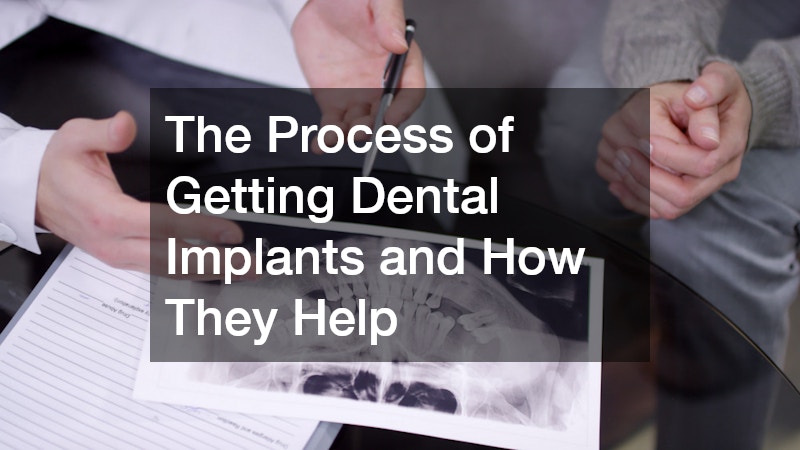
Specialization is a highly rewarding path in dentistry, and focusing on dental implants provides an avenue for advanced surgical and restorative expertise, commanding a high level of technical precision and continuous professional development. Professionals who choose to become an implant dentist dedicate their practice to the surgical placement and subsequent restoration of artificial tooth roots, which are used to support crowns, bridges, or dentures. This field offers the profound satisfaction of permanently restoring function, aesthetics, and confidence for patients suffering from tooth loss, often dramatically improving their quality of life and chewing capability.
The work performed by an implant specialist is fundamentally interdisciplinary, requiring comprehensive knowledge of periodontics, prosthodontics, and oral surgery, often involving collaboration with general practitioners and laboratory technicians. Procedures range from single-tooth replacements to full-mouth reconstructions, sometimes requiring bone grafting or sinus lifts to ensure adequate support for the implant devices. Because dental implants are a long-term solution, this specialized role demands meticulous planning, the use of advanced imaging technology like cone-beam computed tomography (CBCT), and a commitment to utilizing the latest biocompatible materials and surgical techniques.
Entering the World of Dental Laboratory Technology
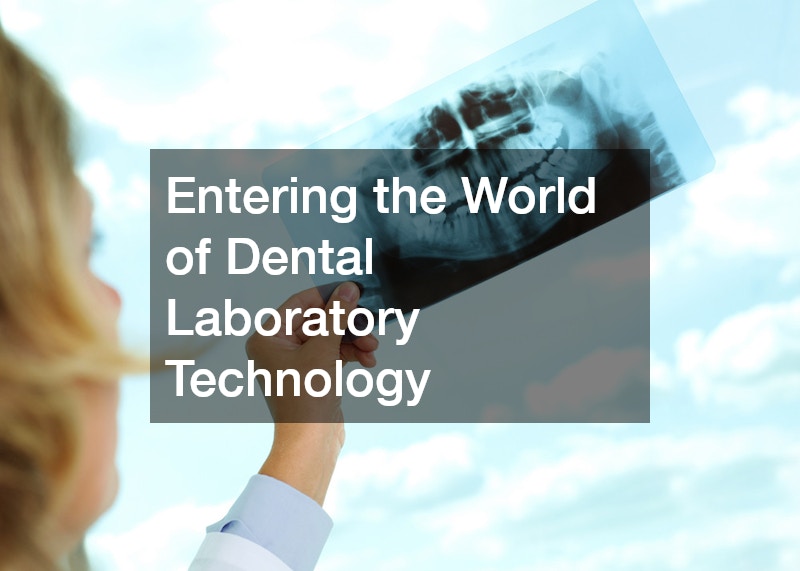
While many careers in dentistry focus on direct patient interaction, dental laboratory technology offers a crucial, behind-the-scenes role that requires exceptional artistry, engineering aptitude, and material science knowledge. Individuals working in dental laboratories are responsible for fabricating all non-living dental devices prescribed by clinicians, including crowns, bridges, dentures, orthodontic appliances, and veneers. This career path is perfectly suited for those who possess fine motor skills, an eye for detail, and a passion for using technology and handcraft to create custom, precise medical devices.
The modern dental laboratory is a hub of technological innovation, where technicians utilize advanced tools like CAD/CAM (computer-aided design/computer-aided manufacturing) software, 3D printing, and milling machines to produce accurate restorations. Every dental restoration must be custom-made to perfectly match the patient’s oral anatomy and natural tooth shade, transforming the fabrication process into a blend of art and science. A deep understanding of materials, from ceramics and composites to metals, is essential for laboratory professionals to ensure the strength, fit, and aesthetic quality of the final product before it is sent back to the clinical setting for placement.
Focusing on Restorative Care like Dental Crowns
Dental crowns represent a core component of restorative dentistry, and dedicating a career to the procedures and support systems surrounding these devices offers a stable and essential professional track. A crown is a tooth-shaped “cap” that is placed over a tooth to restore its shape, size, strength, and appearance, often necessary after a large filling, root canal, or significant trauma. Professionals who focus on this aspect of care—whether they are the dentist preparing the tooth, the assistant taking the impressions, or the technician fabricating the device—are central to preserving teeth that might otherwise need extraction.
The process of creating and fitting dental crowns is meticulous, requiring precision at every stage, from preparing the existing tooth structure to ensuring a perfect fit and bite alignment when the final restoration is cemented. Clinicians must master impression techniques, temporary crown placement, and bonding protocols, while support staff must be adept at handling materials and managing the patient experience during multiple appointments. Given the prevalence of tooth damage and decay, the demand for skilled practitioners and support staff who can expertly deliver high-quality, durable, and aesthetically pleasing dental crowns remains consistently high across all types of practices.
Assisting in the Creation of Dental Bridges
Restorative dentistry offers numerous solutions for patients who have lost one or more teeth, ensuring they can maintain their facial structure and oral function. Working in this area involves understanding how tooth loss affects the surrounding dentition and the patient’s overall ability to eat and speak. Professionals who specialize in prosthetic solutions play a vital role in patient care, as they help bridge the gap between missing teeth and a complete smile through careful planning and precise application of dental prosthetics.
The technical process of designing and installing dental bridges requires a high level of coordination between the dentist and the laboratory technician to ensure a seamless fit. This specific procedure involves preparing the abutment teeth, which serve as the anchors, and creating a pontic to fill the empty space left by the missing tooth. Mastery of the materials used in these restorations, such as porcelain or ceramic, is essential for achieving a natural look and long-term durability, making this a rewarding career path for those who enjoy the marriage of clinical medicine and structural engineering.
Providing Comprehensive Dental Services in a Clinic

Working in a larger clinical setting or a community health center provides dental professionals with the opportunity to serve a diverse demographic and address a wide array of oral health challenges. These facilities often operate with an integrated approach to healthcare, where dental care is seen as an essential component of a patient’s total health profile. For professionals who thrive in busy, collaborative environments, a clinic provides a steady stream of cases that range from routine checkups to complex rehabilitative procedures, ensuring that no two days are ever the same.
In these settings, practitioners must be prepared to deliver a full spectrum of dental services to patients who may have varying levels of access to care and different medical histories. This requires a broad knowledge base that includes everything from pediatric care and endodontics to periodontics and oral surgery, all managed under one roof. The ability to pivot between different types of treatments while maintaining a high standard of patient communication and clinical excellence is what defines a successful career within a comprehensive dental clinic.
Considering Advanced Roles in Pet Dental Care
While many associate dentistry exclusively with human patients, the field of veterinary dentistry is a rapidly growing sector that offers unique challenges and rewards. Animals, much like humans, suffer from periodontal disease, fractured teeth, and oral infections that can lead to significant systemic health problems if left untreated. Professionals entering this field often find that their work is essential for improving the comfort and longevity of companion animals, making it a perfect career for those who are passionate about both animal welfare and dental science.
The specialized nature of pet dental care involves the use of specialized equipment and techniques adapted for different species, ranging from cats and dogs to exotic animals. Practitioners in this field must be highly skilled in animal anatomy and anesthesia, as most veterinary dental procedures require the patient to be fully sedated for safety and precision. By focusing on cleaning, extractions, and even specialized restorative work for animals, dental professionals in the veterinary world play a critical role in preventative medicine and the overall health of the pets in their care.
Assisting with Routine Dog Checkups and Oral Health
Working within the veterinary dental niche often focuses heavily on preventative medicine, making routine care a cornerstone of professional activity. A crucial element of maintaining canine health is ensuring regular professional cleanings and examinations, commonly referred to as dog checkups, which help catch periodontal disease early. This area of practice is vital because dogs are highly susceptible to plaque and tartar buildup, which can quickly lead to irreversible gum disease and subsequent tooth loss if not addressed by a skilled professional.
Support roles in this environment require specific training in handling animals, monitoring anesthesia, and assisting the veterinarian during procedures, which differ significantly from human dentistry. The process of conducting thorough checkups and cleanings on canine patients involves careful scaling and polishing of the teeth, followed by dental radiographs to assess the health of the bone and roots beneath the gum line. Professionals dedicated to this preventative care play a critical role in educating pet owners on at-home brushing techniques and nutritional needs, extending the health and vitality of their pets.
Handling Emergencies in Pet Urgent Care Dentistry

For those dental professionals seeking a fast-paced and high-stakes environment, specializing in trauma and acute issues within veterinary medicine offers a challenging but deeply gratifying path. Pet urgent care environments frequently deal with sudden and severe dental injuries, such as fractured jaws, broken teeth during accidents, or acute oral infections requiring immediate surgical intervention. This area of practice demands quick assessment skills and the ability to work efficiently under pressure to alleviate an animal’s pain and save teeth whenever possible.
Treating dental emergencies in animals requires advanced surgical skills and a robust understanding of pain management protocols tailored to different species and sizes. Veterinarians and technicians working in this capacity must be adept at complex extractions, root canal therapy on traumatized teeth, and stabilizing severe facial or jaw fractures. This critical service ensures that companion animals receive timely, expert care during their most vulnerable moments, providing a specialized avenue for dental professionals seeking an impact-driven career.
The dental field presents a rich tapestry of career options that extend far beyond the traditional image of the dentist and hygienist, offering pathways that blend science, artistry, technology, and patient care—whether the patient is a human or a beloved pet. From the meticulous, behind-the-scenes work in dental laboratories crafting custom restorations to the frontline, preventative care provided during routine checkups, every role contributes fundamentally to systemic health and individual well-being. The sustained demand for specialized skills, coupled with continuous advancements in technology and techniques, ensures a future of stability and ongoing professional development for those who choose this impactful and diverse healthcare sector. By investigating these distinct avenues, prospective professionals can identify the niche that aligns best with their unique talents and commitment to excellence, ultimately leading to a long and successful career dedicated to creating healthier, more confident smiles.