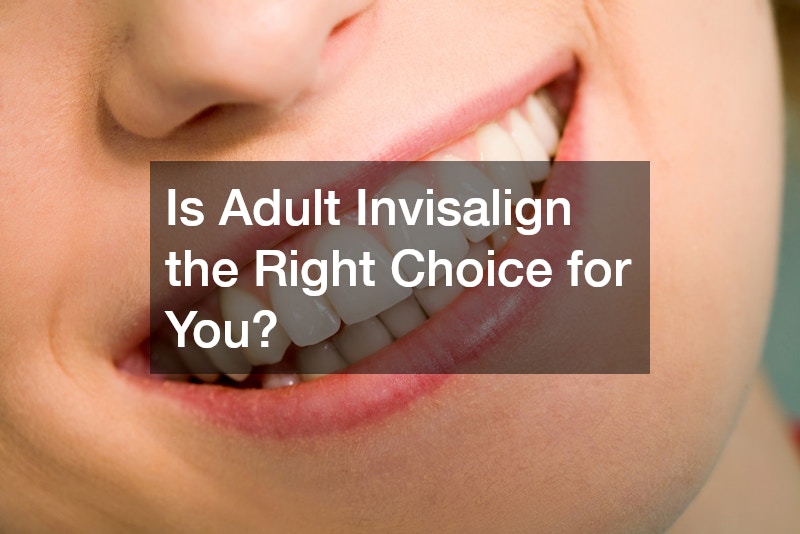
For many adults, the idea of finally achieving a straight, confident smile is exciting—but the thought of wearing traditional metal braces is not. Whether you’re a working professional, a parent constantly on the go, or simply someone who values a discreet orthodontic option, clear aligners have become an appealing alternative. Among these options, adult Invisalign has emerged as one of the most popular choices. But is it the right solution for your smile goals, lifestyle, and budget? This guide explores the factors you should consider before making your decision.
A Modern Approach to Orthodontics
Invisalign uses a series of clear, removable aligners custom-made to shift teeth gradually into their ideal positions. What makes adult Invisalign especially attractive is its nearly invisible design, allowing you to undergo treatment without drawing attention to your teeth. For adults who interact with clients, speak publicly, or simply feel self-conscious about their appearance, the subtlety of Invisalign can be a major advantage.
Additionally, Invisalign technology has improved drastically over the years. Initially used for mild to moderate orthodontic issues, the system has evolved to handle more complex tooth movements. Today, many adults who once believed they were “not Invisalign candidates” are surprised to find that the treatment can address concerns like overbites, underbites, crossbites, crowding, and spacing.
Lifestyle Considerations
One of Invisalign’s biggest advantages is its flexibility. Because the aligners are removable, you can continue eating your favorite foods without restriction—unlike traditional braces, which require avoiding sticky, hard, or chewy items that could damage the brackets. This freedom alone can sway many adults who don’t want the inconvenience of constant dietary adjustments.
However, the removable aspect comes with responsibility. Invisalign aligners should be worn 20 to 22 hours per day for effective results. This means you’ll need to insert them immediately after meals, resist the urge to remove them too often, and stay diligent with your routine. If you’re someone who tends to misplace small items or struggles with consistent habits, traditional braces—despite being more visible—might actually provide a smoother, more predictable experience.
Comfort and Convenience
Comfort is another appealing factor. Invisalign aligners are smooth and custom-fit, minimizing irritation to the cheeks and gums. Most patients experience mild pressure during the first few days of each new set of aligners, but this is typically far less painful than adjustments with metal braces.
Dental visits with Invisalign also tend to be quicker. Instead of lengthy wire tightening appointments, your dentist or orthodontist will simply check your progress and provide the next sets of aligners. This can be a major benefit for adults with demanding work schedules or frequent travel.
Treatment Time and Results
Many adults are pleasantly surprised to learn that Invisalign treatment time is often comparable to, or in some cases shorter than, traditional braces. Treatment may last anywhere from 6 to 18 months, depending on the severity of your case and your consistency in wearing the aligners. Because you can preview your expected results through digital imaging, you’ll have a clear idea of how your new smile will look before treatment even begins.
Still, Invisalign requires commitment. Skipping wear time or forgetting aligners during travel can delay progress. If you’re confident in your ability to stick to the plan, Invisalign can deliver exceptional results with minimal disruption to your life.
Cost Considerations
Cost is usually one of the biggest questions adults have. Invisalign treatment is typically comparable in cost to traditional braces, though prices vary depending on your geographic location, dental provider, and overall treatment complexity. Some dental insurance plans offer partial coverage for adult orthodontics, and many practices provide flexible financing options to make treatment more accessible.
While cost may feel like a barrier at first, it’s important to consider the long-term benefits: improved oral health, increased confidence, and often less dental work needed in the future. Straighter teeth can reduce the risk of gum disease, uneven wear, and bite-related issues.
Who Makes a Good Candidate?
You’re likely a good candidate for adult Invisalign if:
-
You have mild to moderate alignment issues (increasingly, more complex cases are also treatable).
-
You want a discreet orthodontic solution.
-
You prefer the flexibility to remove your appliance.
-
You’re committed to wearing aligners consistently.
-
You value comfort and convenience over the aesthetics of metal braces.
However, some situations may be better suited for traditional braces or alternative treatments. Severe jaw discrepancies, large tooth rotations, or major bite issues may require additional orthodontic tools. Your provider will assess your specific needs during an initial consultation.
Final Thoughts
Invisalign has transformed the way adults approach orthodontic care. Its blend of discretion, comfort, and effectiveness makes it an appealing option for countless individuals seeking a straighter smile without the look of traditional braces. Ultimately, the best way to determine whether Invisalign is right for you is to schedule a consultation with a qualified dental professional who can evaluate your goals and create a personalized treatment plan.
If you’re ready to feel more confident, improve your oral health, and embrace a modern solution to orthodontic treatment, Invisalign may be the perfect choice. The right time to invest in your smile is now—and with today’s advanced aligner technology, achieving the smile you’ve always wanted has never been more convenient.