Healthy smiles are an essential part of overall well-being for individuals and families. Oral health affects more than just appearance; it influences confidence, nutrition, speech, and even long-term medical health. Advances in modern dentistry have made it easier than ever for families to maintain strong teeth and healthy gums throughout every stage of life. With improved technology, preventive care, and patient-focused services, dental professionals can now provide comprehensive support tailored to each family member’s needs.
Building Healthy Habits Early in Life
The Importance of Early Dental Visits
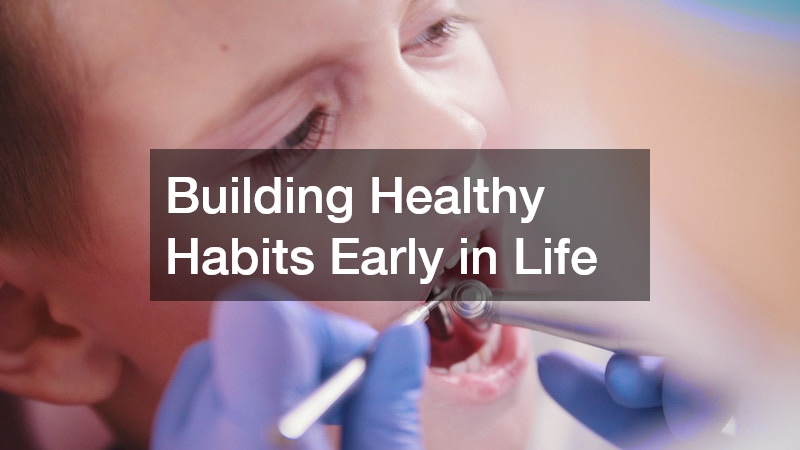
Establishing good oral health habits during childhood sets the foundation for lifelong dental wellness. Many parents begin their child’s dental journey by seeking local pediatric dentistry services, where professionals specialize in treating younger patients in a comfortable and supportive environment. These practices focus on preventive care, early detection of potential issues, and helping children become familiar with dental visits in a positive way.
Teaching Children Proper Oral Hygiene
Children often learn best through demonstration and repetition. Dental professionals frequently teach both parents and children how to properly brush and floss to prevent plaque buildup and cavities. During routine appointments, practitioners explain how small daily habits can protect teeth and gums for years to come.
Common recommendations include:
- Brushing twice a day with fluoride toothpaste
- Using age-appropriate toothbrushes
- Limiting sugary snacks and drinks
- Scheduling regular dental checkups
These early lessons help children understand that oral care is an important part of their daily routine.
Preventive Treatments for Developing Teeth
Children’s teeth are still developing, which makes preventive treatments especially valuable. Dental providers may recommend sealants, fluoride applications, and routine examinations to monitor growth and alignment. Preventive treatments help reduce the risk of cavities and ensure that developing teeth remain strong.
Parents also receive guidance on teething, thumb-sucking habits, and orthodontic development so they can address potential issues early.
Creating Positive Dental Experiences
Positive experiences during childhood visits can shape a person’s attitude toward dental care for life. Pediatric dental teams often create welcoming environments designed specifically for younger patients. Friendly communication, gentle treatment techniques, and educational tools help children feel comfortable and confident during appointments.
Preventive Care for the Entire Family
Routine Checkups and Maintenance
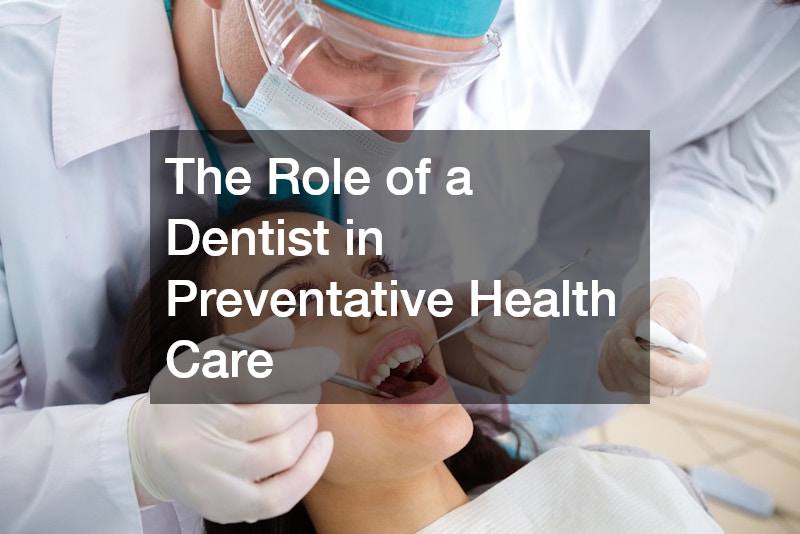
Preventive care plays a central role in protecting oral health. Regular visits to dental offices allow professionals to monitor teeth and gums, identify early signs of problems, and provide guidance tailored to each patient’s needs. Routine checkups help detect cavities, gum inflammation, and other concerns before they develop into more complex issues.
The Role of Professional Cleanings
One of the most common preventive procedures is a professional tooth cleaning service. Even with diligent brushing and flossing at home, plaque and tartar can accumulate in areas that are difficult to reach. Professional cleanings remove these deposits and help maintain healthy gums.
Benefits of regular cleanings include:
- Reduced risk of cavities
- Improved gum health
- Fresher breath
- Early detection of dental concerns
Consistent preventive care allows families to maintain oral health with fewer complications.
Monitoring Changes Over Time
Dental professionals also track changes in teeth alignment, gum health, and bite patterns over time. Monitoring these factors helps practitioners recommend timely interventions when needed. Early action can often prevent more extensive treatments later.
Personalized Oral Health Advice
Each patient’s dental needs are different. During routine appointments, dental teams offer personalized recommendations related to diet, brushing techniques, and preventive treatments. This individualized approach ensures that patients receive care tailored to their unique circumstances.
Family-Focused Dental Practices
Comprehensive Care for All Ages
Many families prefer visiting family dentists who provide services for patients of all ages. These practices simplify scheduling and allow parents and children to receive care from the same trusted provider. Family-focused dental care ensures that each stage of life receives appropriate attention.
Coordinating Appointments for Convenience
Family practices often make scheduling easier by offering back-to-back appointments for multiple family members. This approach reduces travel time and helps parents manage busy schedules while maintaining regular dental visits.
Building Long-Term Relationships
Seeing the same dental provider over many years allows professionals to become familiar with a family’s dental history. This continuity of care helps practitioners detect subtle changes and provide proactive guidance for maintaining oral health.
Patients often appreciate the comfort that comes with visiting a familiar provider who understands their needs and preferences.
Encouraging Preventive Mindsets
Family dental practices often emphasize education and preventive care. By teaching patients of all ages how to care for their teeth at home, dental professionals help families adopt healthy routines that support long-term oral wellness.
Modern Orthodontic Solutions for Confident Smiles
Addressing Alignment Concerns
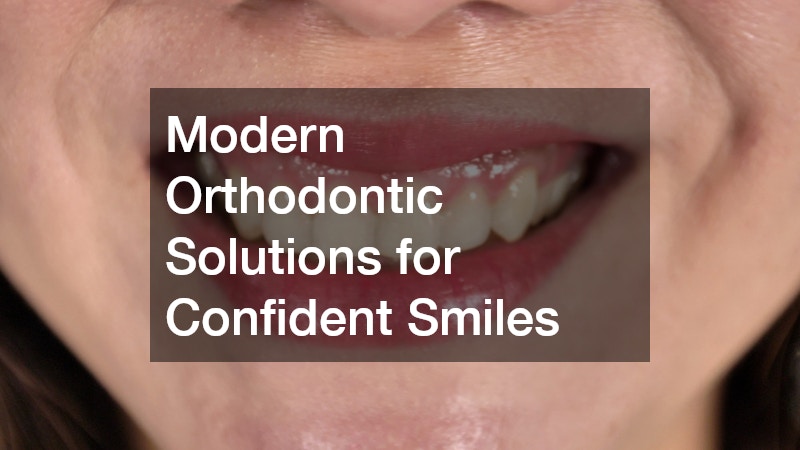
Crooked or misaligned teeth can affect both appearance and oral health. Modern orthodontic treatments have evolved to provide more discreet and comfortable solutions than traditional metal braces. One popular option is Invisalign, which uses clear aligners to gradually shift teeth into their ideal positions.
Advantages of Clear Aligners
Clear aligners offer several benefits that appeal to many patients. They are removable, making it easier to brush, floss, and maintain good oral hygiene throughout treatment. Their transparent design also makes them less noticeable during everyday activities.
Patients often appreciate that aligners can be removed when eating, allowing them to enjoy their favorite foods without the restrictions sometimes associated with traditional braces.
Improving Function and Oral Health
Orthodontic treatment is not only about aesthetics. Proper alignment can improve chewing function, reduce uneven wear on teeth, and make oral hygiene easier. Straight teeth are generally easier to clean, which helps reduce the risk of cavities and gum disease.
Boosting Self-Confidence
Many individuals feel more confident after improving the alignment of their teeth. A balanced smile can enhance facial harmony and encourage people to feel more comfortable speaking, laughing, and interacting socially.
Specialized Care for Complex Dental Needs
When Advanced Treatment Is Necessary
While preventive care addresses many dental concerns, some conditions require specialized treatment. In certain cases, patients may be referred to an oral surgeon for procedures involving the jaw, impacted teeth, or complex extractions.
Common Surgical Procedures
Oral surgical procedures can include treatments such as:
- Wisdom tooth removal
- Dental implant placement
- Jaw alignment procedures
- Treatment of oral pathology
These procedures are performed using advanced techniques designed to improve outcomes and patient comfort.
Collaboration Between Dental Professionals
Modern dental care often involves collaboration between multiple specialists. General dentists, orthodontists, and surgeons work together to develop comprehensive treatment plans that address both functional and aesthetic concerns.
This collaborative approach ensures that patients receive the most appropriate care for their specific situation.
Restoring Health and Function
Surgical procedures can play an important role in restoring oral health and function. When performed by skilled specialists, these treatments help patients regain comfort, stability, and confidence in their smiles.
Enhancing Smiles Through Aesthetic Treatments
Improving the Appearance of Teeth
Modern dentistry increasingly combines health-focused treatments with aesthetic improvements that help patients feel confident in their smiles. Some individuals seek the expertise of a cosmetic surgeon when facial balance or structural concerns extend beyond the teeth and gums. Cosmetic procedures can sometimes complement dental treatments by improving overall facial harmony.
These enhancements may include adjustments to the jawline, chin structure, or facial proportions. When dental professionals and cosmetic specialists collaborate, patients often achieve results that look natural and balanced.
Smile Design and Facial Harmony
A smile is closely connected to the surrounding facial features. Dentists and specialists may analyze factors such as lip shape, facial symmetry, and tooth proportions to develop a personalized smile plan. In certain situations, procedures performed by a face lift surgeon may complement dental treatments by addressing age-related facial changes that influence how a smile appears.
This type of collaborative planning ensures that aesthetic improvements enhance both dental structure and overall facial appearance.
Treatments That Improve Confidence
Many aesthetic dental procedures focus on improving the look of teeth while maintaining oral health. These treatments may include whitening, reshaping, or replacing damaged teeth with restorations designed to match natural enamel.
Patients who pursue aesthetic improvements often report feeling more confident in social and professional settings. A healthy and balanced smile can significantly influence how individuals present themselves and interact with others.
Combining Health and Beauty
Modern dentistry recognizes that oral health and appearance are closely connected. Treatments designed to improve aesthetics often contribute to better oral function as well. For example, repairing damaged teeth or replacing missing ones can restore chewing ability while also improving a patient’s smile.
Financial Planning for Dental Care

Understanding Coverage Options
For many families, managing the cost of dental care is an important consideration. Some employers offer benefits through an employee healthcare plan that includes dental coverage. These plans often help offset the cost of routine visits, preventive treatments, and certain procedures.
Having access to employer-sponsored coverage encourages individuals to schedule regular checkups and maintain consistent oral care.
Preventive Care as a Cost-Saving Strategy
Preventive care can help families avoid more expensive procedures in the future. Routine exams, cleanings, and early treatment of minor issues often prevent small concerns from developing into major dental problems.
Common preventive measures that save money over time include:
- Regular dental checkups
- Professional cleanings
- Early cavity treatment
- Monitoring gum health
Investing in preventive care helps families maintain oral health while managing long-term expenses.
Payment Plans and Financing
Many dental providers understand that certain treatments may require financial planning. As a result, practices often offer payment plans or financing options that allow patients to spread out the cost of care.
Flexible payment arrangements make it easier for families to receive necessary treatments without delaying important procedures.
Insurance and Preventive Benefits
Dental insurance plans typically emphasize preventive services because they help reduce overall healthcare costs. Coverage may include regular exams, cleanings, and diagnostic imaging that support early detection of dental issues.
Understanding the details of coverage allows families to maximize their benefits and maintain consistent care.
Maintaining Oral Hygiene at Home
Daily Habits That Protect Teeth
Professional dental care is most effective when combined with consistent habits at home. Brushing twice daily, flossing regularly, and maintaining a balanced diet all contribute to healthy teeth and gums.
Daily oral hygiene helps remove plaque and bacteria that accumulate between dental visits. These habits protect enamel and reduce the risk of cavities and gum disease.
Creating an Organized Hygiene Routine
Many families find it helpful to store oral care products in an easily accessible location. Items such as toothbrushes, floss, and toothpaste are often kept in a bathroom cabinet, so they remain organized and easy to reach.
Maintaining an organized oral hygiene station encourages consistent habits for every member of the household.
Choosing the Right Tools
Using the right dental care tools can improve the effectiveness of daily routines. Dental professionals often recommend soft-bristled toothbrushes, fluoride toothpaste, and floss designed to reach between teeth.
Other helpful tools may include:
- Electric toothbrushes
- Interdental brushes
- Water flossers
- Mouth rinses designed for gum health
These products support thorough cleaning and help maintain oral health between dental visits.
Teaching Children Consistency
Children often develop stronger hygiene habits when oral care becomes part of their daily routine. Parents can encourage consistent brushing by setting reminders, modeling proper techniques, and making dental care a positive experience.
Building these habits early helps children understand that caring for their teeth is an important part of overall health.
Technology Advancing Modern Dentistry
Digital Imaging and Diagnostics
Technology has significantly improved the way dental professionals diagnose and treat oral health concerns. Digital imaging tools allow practitioners to capture highly detailed images of teeth, gums, and bone structures.
These advanced diagnostic tools help dentists identify potential issues earlier and develop more precise treatment plans.
Improved Treatment Precision
Modern dental equipment enables practitioners to perform procedures with greater accuracy and efficiency. Digital impressions, laser technology, and computer-guided systems contribute to more comfortable and predictable treatment outcomes.
Patients often benefit from shorter appointment times and improved results thanks to these technological advancements.
Patient Comfort and Communication
Technology also enhances communication between dental professionals and patients. Digital displays allow dentists to show patients images of their teeth and explain treatment options clearly.
This visual approach helps patients understand their oral health conditions and participate in decisions about their care.
Innovations in Preventive Dentistry
New technologies continue to expand preventive care options. Early detection tools, improved imaging systems, and advanced materials help dental professionals identify and address issues before they become serious problems.
These innovations support the goal of maintaining healthy smiles through proactive care.
Supporting Lifelong Oral Health

Dental Care Across Life Stages
Oral health needs change throughout different stages of life. Children require guidance and preventive treatments, while adults may focus on maintaining healthy gums and addressing alignment concerns.
Older adults may require restorative treatments or specialized care to maintain comfort and function.
The Role of Education in Oral Health
Education is a powerful tool for maintaining long-term dental wellness. Dental professionals provide patients with information about diet, hygiene practices, and preventive strategies that help protect teeth and gums.
Understanding how daily habits affect oral health empowers individuals to make informed decisions about their care.
Encouraging Regular Dental Visits
Consistent dental visits play a critical role in preventing oral health issues. Regular examinations allow professionals to detect early signs of cavities, gum disease, and other conditions before they worsen.
Patients who maintain routine appointments often experience fewer complications and better long-term outcomes.
Building Confidence Through Healthy Smiles
Healthy teeth and gums contribute to both physical well-being and self-confidence. When individuals feel comfortable with their smiles, they are more likely to engage confidently in social and professional interactions.
Maintaining oral health supports overall quality of life and personal confidence.
Modern dental care provides families with the tools and professional support needed to maintain strong, healthy smiles throughout every stage of life. Preventive treatments, advanced technology, and patient-centered care all contribute to improved oral health outcomes. By focusing on early detection, education, and consistent hygiene practices, dental professionals help patients protect their teeth and gums for the long term.